Featured
Table of Contents
comes and goes with the periods, with signs typically beginning in the late loss and very early winter season and going away throughout the spring and summer. is an extreme kind of clinical depression in which a person experiences psychosis symptoms, such as delusions or hallucinations. includes depressive episodes, as well as manic episodes (or less severe hypomanic episodes) with unusually elevated state of mind, greater irritability, or raised activity level.
Maternity, the postpartum period, the menstruation, and menopause are connected with physical and hormonal changes that can prompt a depressive episode in some people. is a more extreme kind of premenstrual disorder, or PMS, that occurs in the weeks before menstruation. happens during pregnancy or after giving birth. It is more than the "baby blues" numerous brand-new moms experience after delivering.
Multicultural Understanding for Therapeutic Work for Diverse Communities
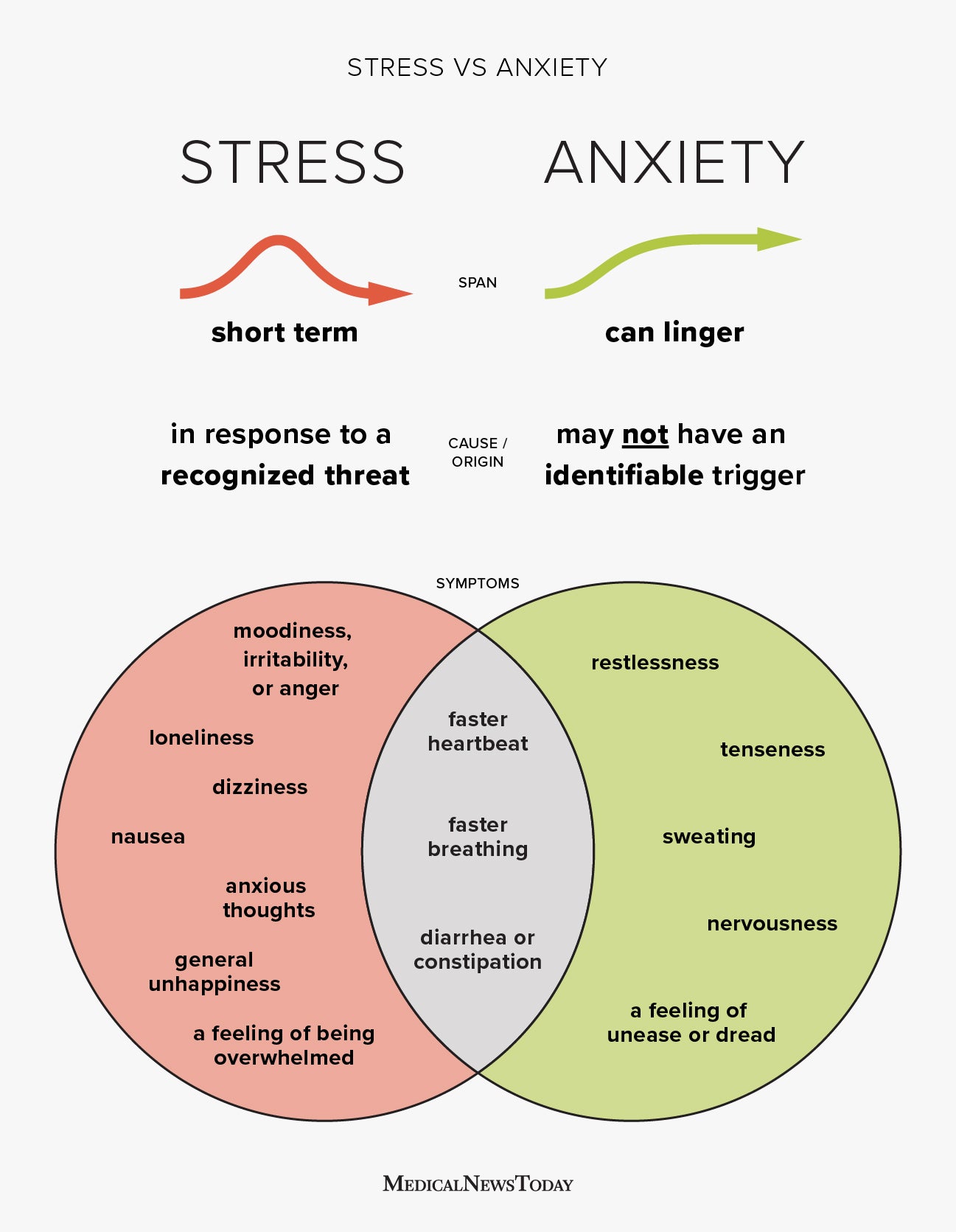
Depression signs and symptoms interfere with daily working and create considerable distress for the individual experiencing them. If you reveal indicators or signs and symptoms of depression and they continue or do not disappear, talk to a health treatment service provider. If you see indicators of depression in someone you understand, urge them to look for aid from a mental health specialist.
One of the symptoms should be a clinically depressed state of mind or a loss of passion or enjoyment in most activities. Youngsters and teens may be cranky instead than unfortunate. Several relentless signs, in enhancement to reduced state of mind, are required for a clinical depression diagnosis, individuals with only a few signs and symptoms may benefit from therapy.
They may have other conditions, such as anxiousness, an eating condition, attention-deficit/hyperactivity disorder, or substance make use of disorder. Older youngsters and teenagers are also more probable to experience too much sleepiness (called hypersomnia) and raised appetite (called hyperphagia). are more probable to be cranky, experience weight gain and hypersomnia, and have an unfavorable view of life and the future.
Understanding Deeply Early Trauma Through the Lens of Therapeutic Support
may have more depressive episodes, decreased sex drive, middle-of-the-night sleeplessness, or early morning waking. They usually report stomach troubles, such as diarrhea or constipation. often feel unhappiness, sorrow, or other much less noticeable symptoms. They might report an absence of emotions rather than a clinically depressed state of mind. Older adults are also most likely to have other clinical problems or discomfort that can trigger or add to clinical depression.

Clinical depression can additionally look different in guys versus women, such as the signs and symptoms they show and the actions they utilize to deal with them. Guys (as well as females) might show signs various other than sadness, instead appearing upset or short-tempered. For some people, symptoms manifest as physical issues (for instance, a racing heart, tightened breast, chronic headaches, or digestive issues).
Exposure-Based or Trauma Treatments
Finding the very best therapy may take experimentation. For milder kinds of anxiety, psychiatric therapy is often attempted initially, with medicine included later if the therapy alone does not produce a good action. People with modest or extreme clinical depression typically are recommended medication as component of the first treatment strategy.
Psychotherapy occurs under the treatment of a qualified, trained mental health and wellness professional in individually sessions or with others in a team setting. Psychotherapy can be reliable when delivered in person or essentially through telehealth. A supplier might sustain or supplement treatment utilizing electronic or mobile modern technology, like apps or various other devices.
Antidepressants are drugs generally made use of to deal with depression. They work by altering how the mind produces or utilizes particular chemicals entailed in mood or anxiety.
Why BSP Addresses Depression More Effectively
Esketamine is a medicine authorized by the U.S. Fda (FDA) for treatment-resistant depression. Supplied as a nasal spray in a doctor's workplace, center, or healthcare facility, the medicine acts quickly, usually within a number of hours, to eliminate clinical depression signs. Individuals will normally proceed to take an antidepressant pill to maintain the improvement in their symptoms.

Latest Posts
Importance of Trauma-Sensitive Approaches for Sustainable Change
Accepting Creative Burnout and Healing With Brainspotting
Complete Care for Complex Presentations